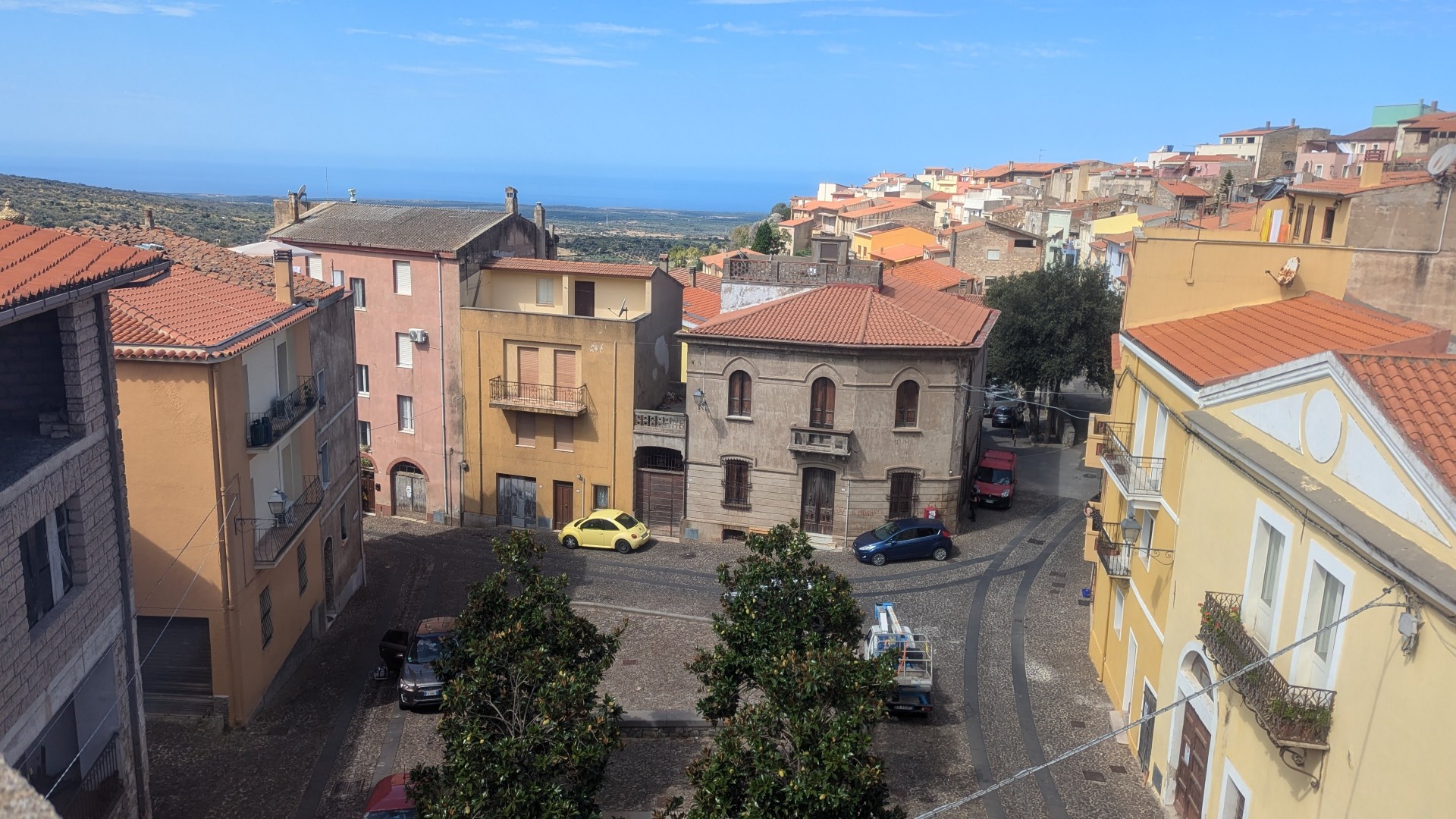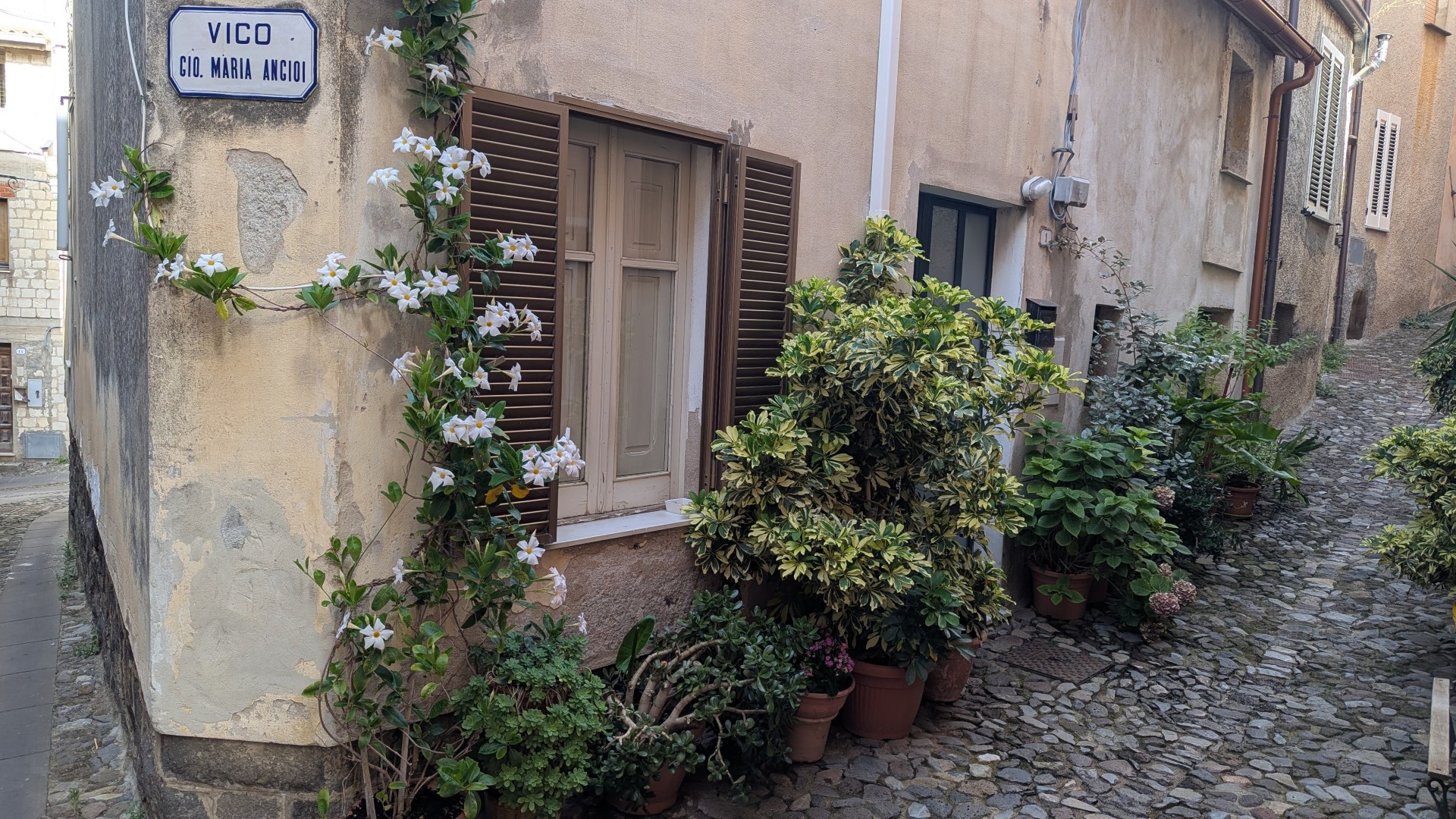
A flowering alley in the centro storico of Cuglieri

I · Place

Cuglieri is a village that still remembers itself.

Inland Sardinia. Population around 2,500. Medieval stone streets. Mediterranean ten minutes downhill. Olive groves older than most countries. A Blue Zone — meaning people live unusually long lives here, and nobody is entirely sure why.

Why here

A village with its soul intact.

A semi-autonomous island

Sardinia has its own language, traditions, and pace. Cuglieri preserves all three. Unlike the over-touristed coasts, the village has kept its soul intact.

Regenerative, not extractive

Small cohorts. Long stays. Real relationships with artisans, farmers, and neighbours. Our footprint is light, our engagement deep.

Two restored stone houses

Renovated by Nuraghi Development — our co-founders Jonathan and Lena Clyne. 16th-century bones, contemporary comfort, side by side on the main square.

2,500

Village population

Small enough to know your barista.

10min

To the sea

S'Archittu beach, basically next door.

16c.

Houses, restored

Stone walls older than most modern nations.

Olive trees

Some still bearing fruit at 800 years old.

A short history

Cuglieri in three acts.

Settlement here reaches back to 5700 BC. What follows is a sketch — drawn from Lena's posts about the village she renovated her way into.

Act I

1700 BC — 1700 AD

Towers, then a Roman village

Sixty-four Nuragic stone towers built across the municipality between 1700 and 700 BC. The Carthaginians arrived in the 6th century BC; the Romans in 200 BC, founding the village under the name Gurulis Nova. Through the Middle Ages, Cuglieri became the olive centre of Sardinia — and built the basilica Santa Maria della Neve.
Act II

1821 — 1859

A provincial capital

For thirty-eight years, Cuglieri was the capital of a province that stretched from Bosa to the edge of Nuoro. A region of 35,000. The unification of Italy redrew the map and the village lost its status. The first national census in 1861 counted 4,305 souls in Cuglieri — almost twice today's population.

Act III

1924 — 1971

The seminary

In 1924, Cuglieri was chosen to host the first Italian theological faculty outside Rome. Hundreds of priests trained here each year until 1971, when the seminary closed. The building still stands at the edge of the centro storico, mostly empty, its terraced garden intact. Nine churches in the village remain active.

Adapted from A Super Short History of Cuglieri by our co-founder Lena Clyne, on her blog In and Around Cuglieri.

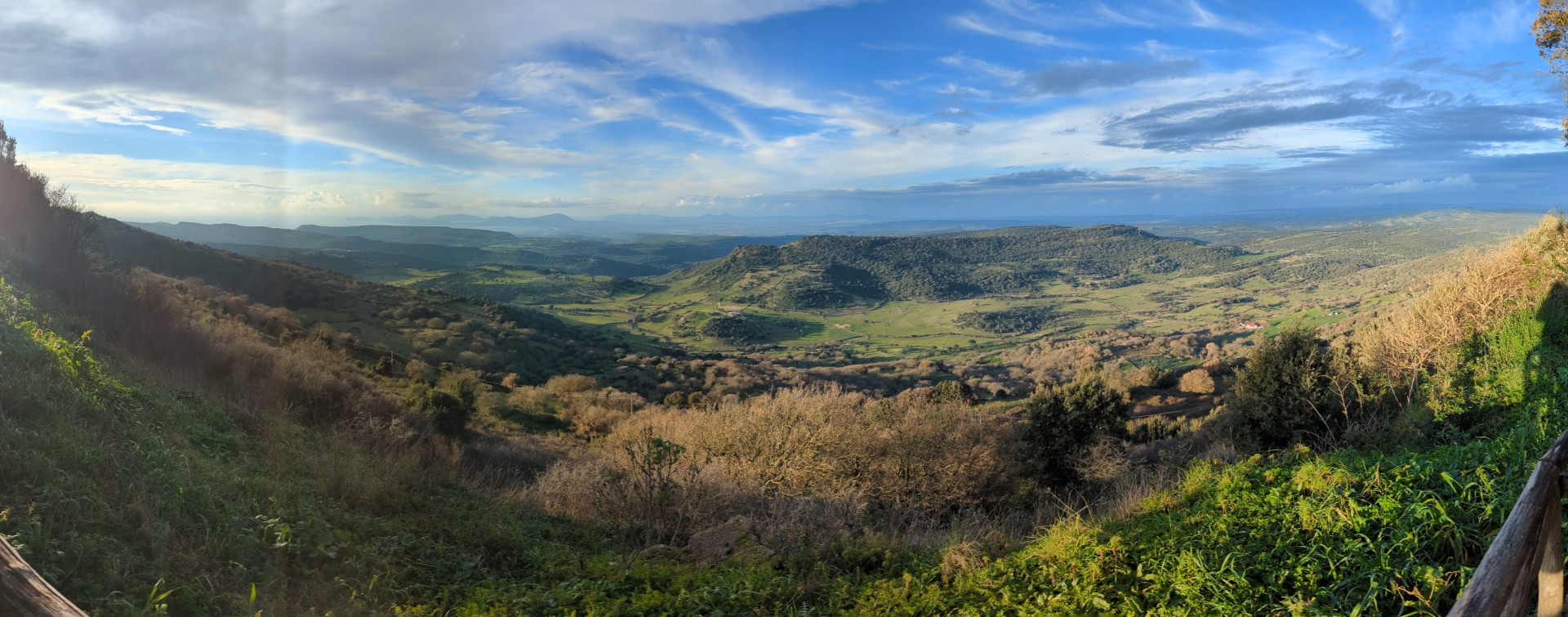
The valley toward the Sinis coast

The landscape

Coast on one side, olive groves on the other.

Hiking trails through ancient olive groves, ten minutes from the houses. The basalt cliffs of Capu Nieddu, where Italy's only waterfall descends directly into the sea, just beyond the bend.

Six rooms · two houses

Each room carries a Sardinian name.

Our rooms aren't numbered. They're named for Sardinian figures whose work still shapes the island's imagination — a screenwriter, a Nobel laureate, a textile artist, a botanist, a prehistoric goddess, a philosopher. The room shapes you. You shape it.

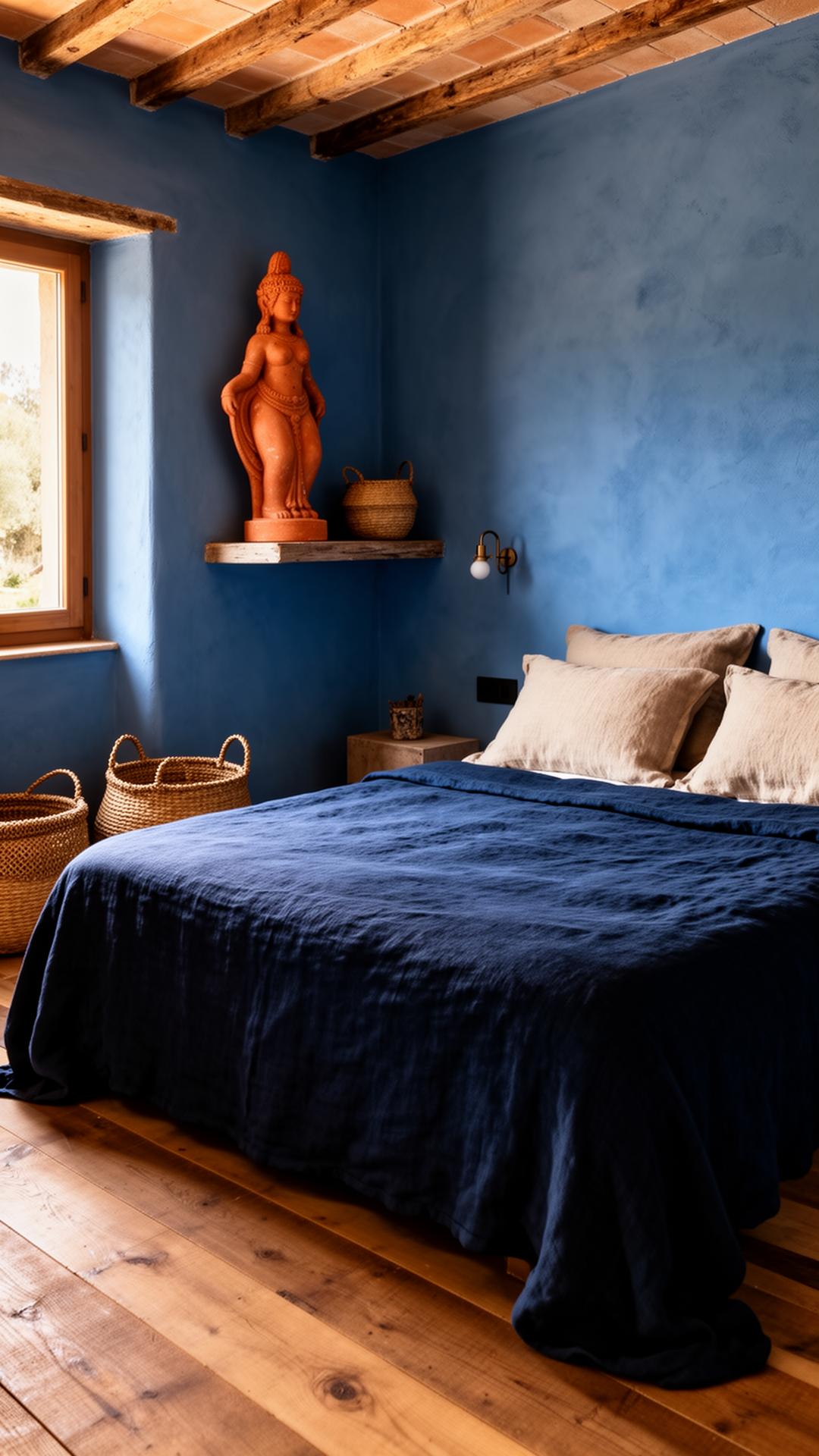
The Dea Madre room

Room I

Dea Madre

After the prehistoric Mother Goddesses of Sardinia

Deep Mediterranean blues, bespoke linen the colour of midnight water, terracotta figures on a dark walnut floor. Ancient and grounded.

Midnight · Wool · Terracotta

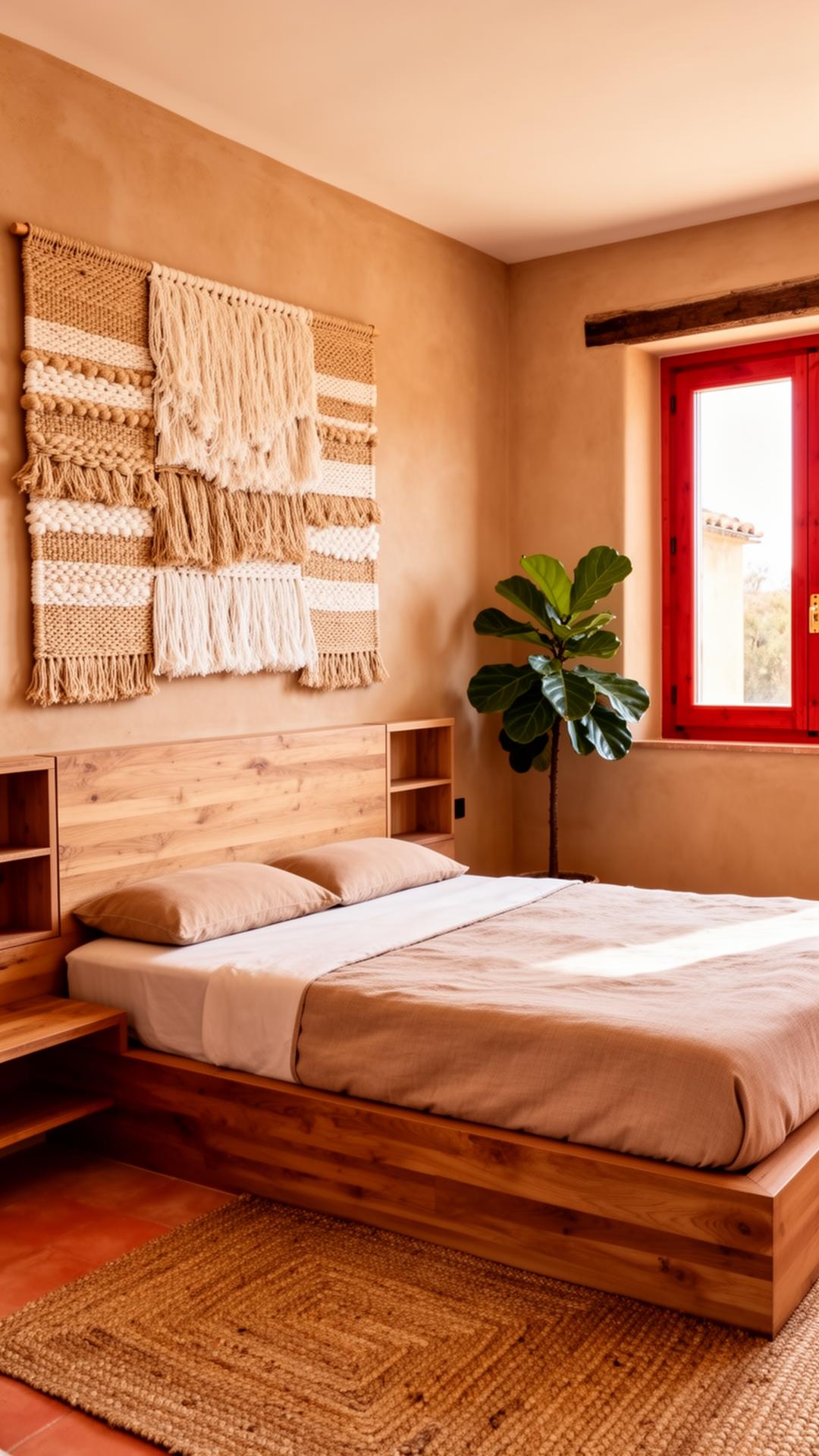
The Maria Lai room

Room II

Maria Lai

After the artist who stitched a village to a mountain

Natural linen, hand-loomed jute, sculptural threads on the wall. Original textiles by a local artisan inspired by Lai's Legarsi alla Montagna. Light pours in.

Linen · Thread · Light

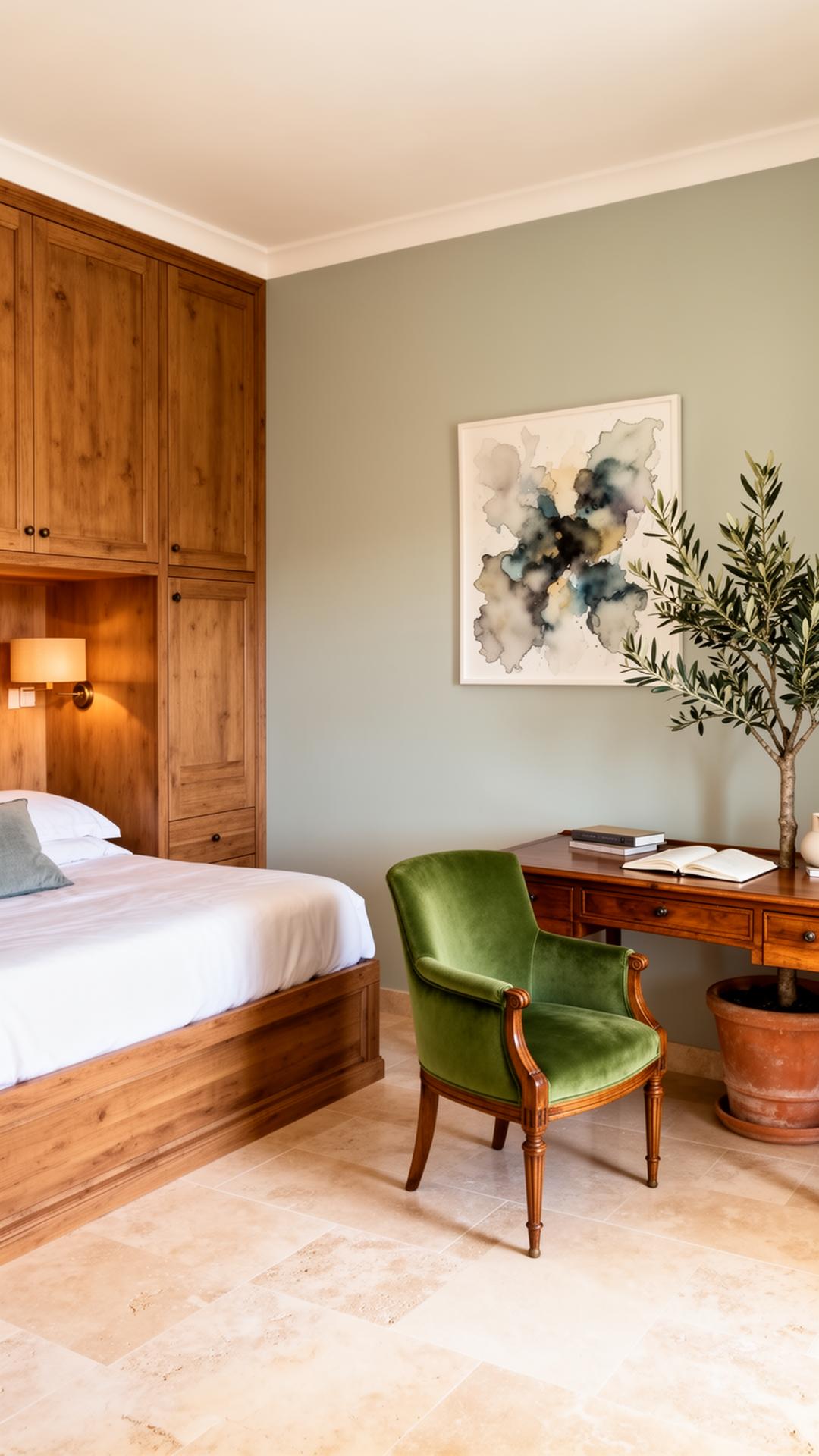
The Maria Grazia Deledda room

Room III

Maria Grazia Deledda

After the Nobel laureate of Sardinian letters

A writer's room. Walnut desk built for long mornings, sage and olive textiles, a private balcony lined with herbs. Quiet, classic, ready for a manuscript.

Sage · Walnut · Desk

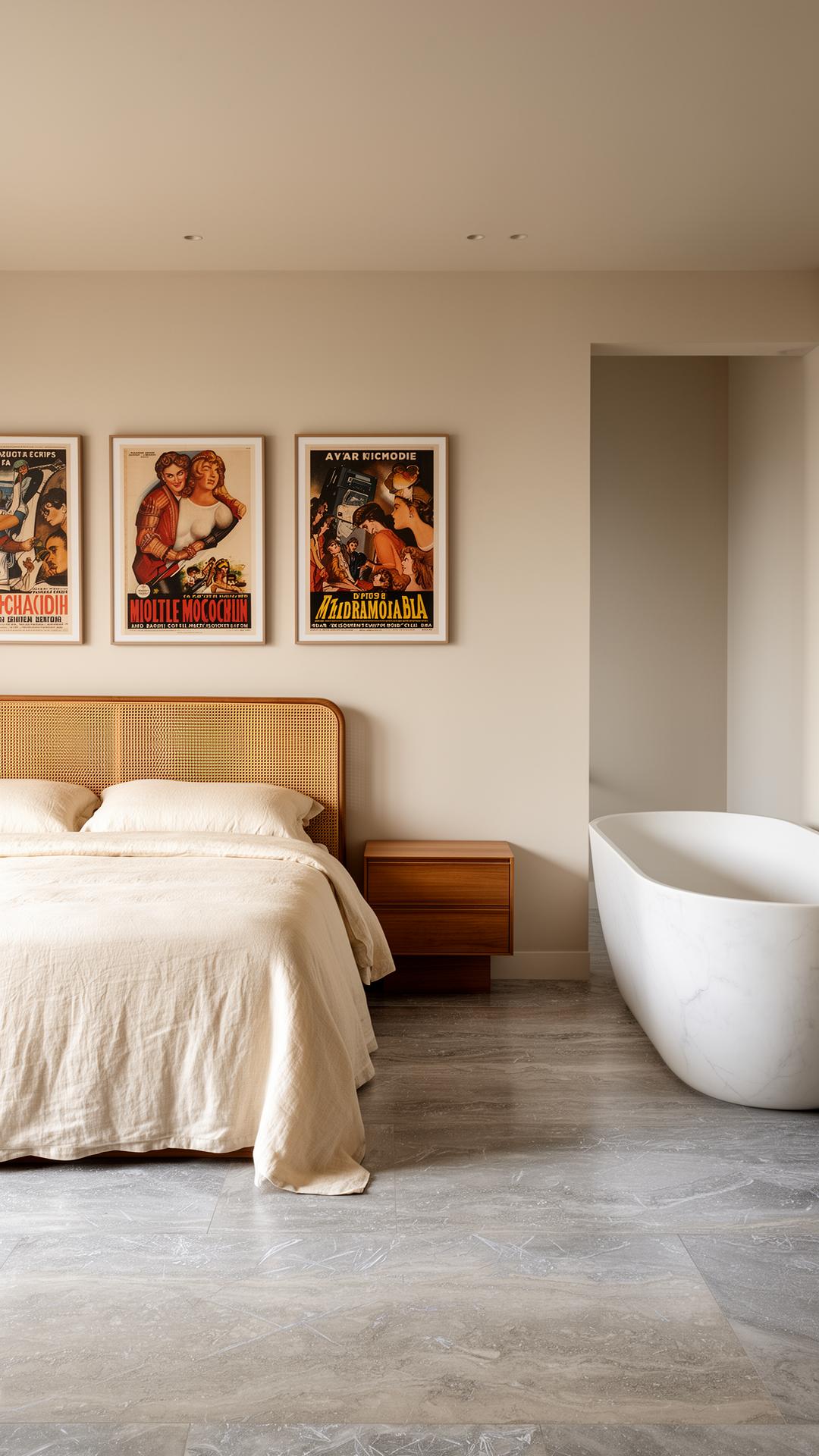
The Franco Solinas room

Room IV

Franco Solinas

After the screenwriter of The Battle of Algiers

A minimalist's retreat. Oak frame bed, ivory linen, striped textiles, framed posters from the films he wrote. Bath-tub by the window, evening light included.

Oak · Ivory · Cinema

Eva Mameli

Image coming soon

Room V

Eva Mameli

After Sardinia's first woman botanist

Plants everywhere. Botanical prints from her own field notebooks, a magnifying lens on the desk, a window that opens onto the rooftop garden. For the noticers.

Botanical · Brass · Window

Antonio Gramsci

Image coming soon

Room VI

Antonio Gramsci

After the philosopher who wrote his finest work from a cell

A scholar's cell, but generous. Wall of books, dark wood, deep reading chair, a single high window. For long thinking and longer journals.

Library · Quiet · Deep

Shared spaces

Four rooms we all share.

The ground-floor café & lounge

Piano Terra

A third space, open to Cuglieri. Where Explorers meet locals, digital nomads, and the village checks in on us. Run by Leo with the rhythm of a Sardinian table.

Where rooftop dinners happen

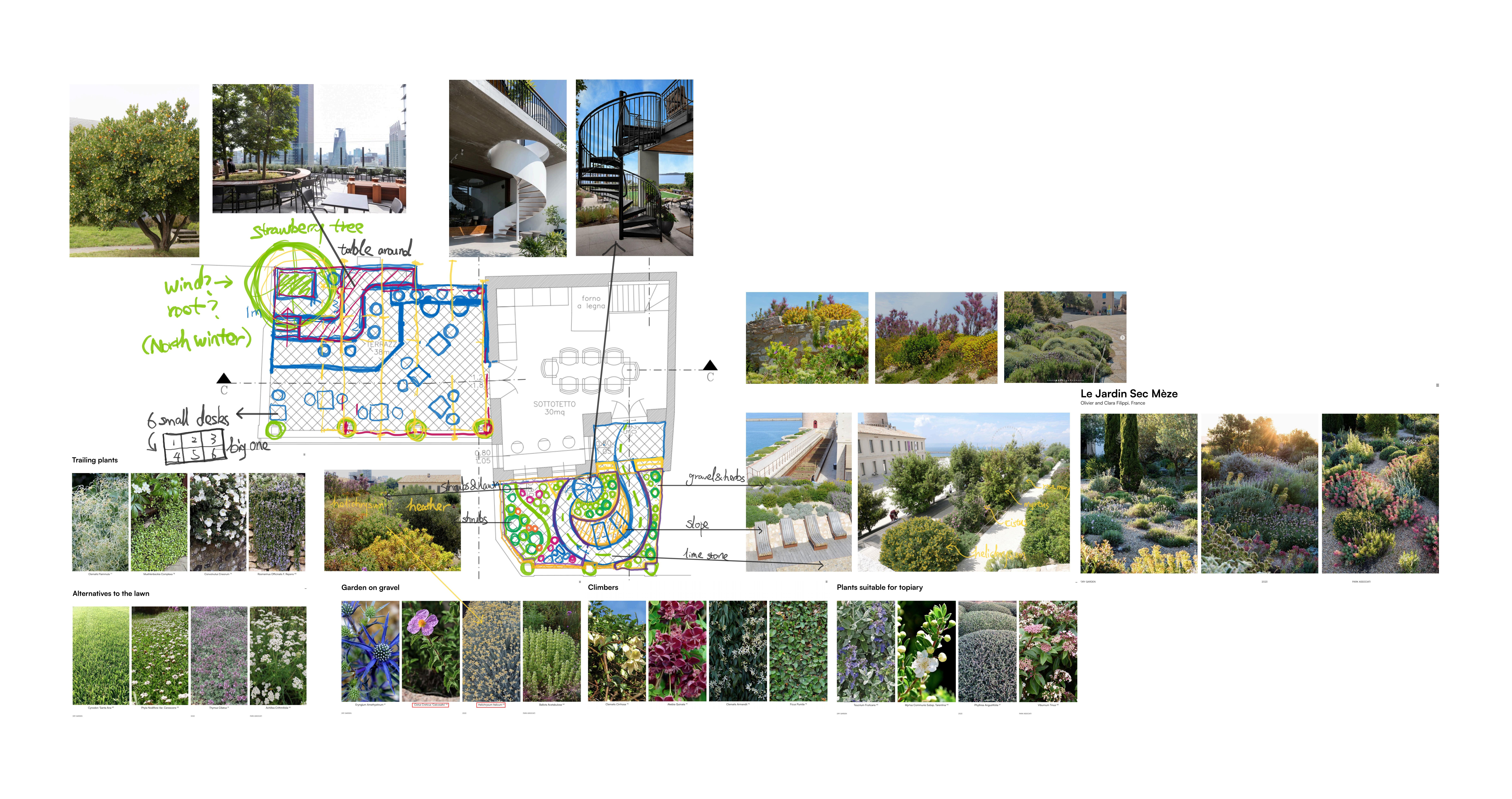
The Roof Garden

Wild herbs, olive in a clay pot, a long table under string lights. The village's terracotta roofs at eye level.

The makerspace

The Studio

Cameras, audio gear, projectors, a small editing suite. Screening room becomes meeting room becomes dance floor.

Residents only

The Kitchen

A working kitchen on the top floor. Where dinners are finished, plans hatched, and arguments resolved with wine.

The roof garden at golden hour

The roof garden

Where the day ends in conversation.

Cuglieri's piazza at sunset

On the main square

Side by side, at the centre of the village.

From Lena

"Cuglieri is a way of life. Good cohesion, quality of life. We came for the houses and stayed for the people."

Want to be here?

The doors open rolling.

Applications are open on a rolling basis. Cohort decisions are made twice a year. Every accepted Explorer is fully funded.

Become an Explorer →